Menu


For people living with epidermolysis bullosa (EB), even minor friction can cause blisters and wounds. Choosing a dressing that protects the skin while minimising additional trauma is therefore an important part of wound care.
Protective Skin is a thin, flexible wound dressing with a silicone adhesive, designed for wound management where gentle adhesion and effective fluid absorption are important.
In Norway, Protective Skin has been approved for reimbursement through Helfo for people living with EB. We are also proud to be a partner of DEBRA, supporting the community of people affected by this rare condition.
Epidermolysis bullosa (EB) is a group of rare, inherited conditions that cause the skin to be exceptionally fragile. Often called butterfly skin, EB can cause blisters and wounds to develop following minor friction, pressure or contact.
The severity varies between individuals and depends on the type of EB. Some people experience wounds primarily on their hands and feet, while others require extensive and ongoing wound care.
For people living with EB, everyday activities can damage the skin. Dressing changes can also be challenging, particularly when removing a dressing risks pulling on fragile skin.
This makes the choice of wound dressing especially important. The aim is to protect the wound and surrounding skin while minimising unnecessary friction and trauma.
The adhesive used in a wound dressing can make a significant difference when treating fragile skin.
Conventional adhesives may adhere strongly to the skin, making removal difficult and potentially contributing to skin damage. Medical silicone adhesives are designed to provide adhesion while allowing gentler removal than many conventional adhesives.
For people with EB, this can be an important consideration when selecting a dressing that needs to be changed regularly.
However, individual needs vary, and dressing selection should always be guided by an appropriate healthcare professional.
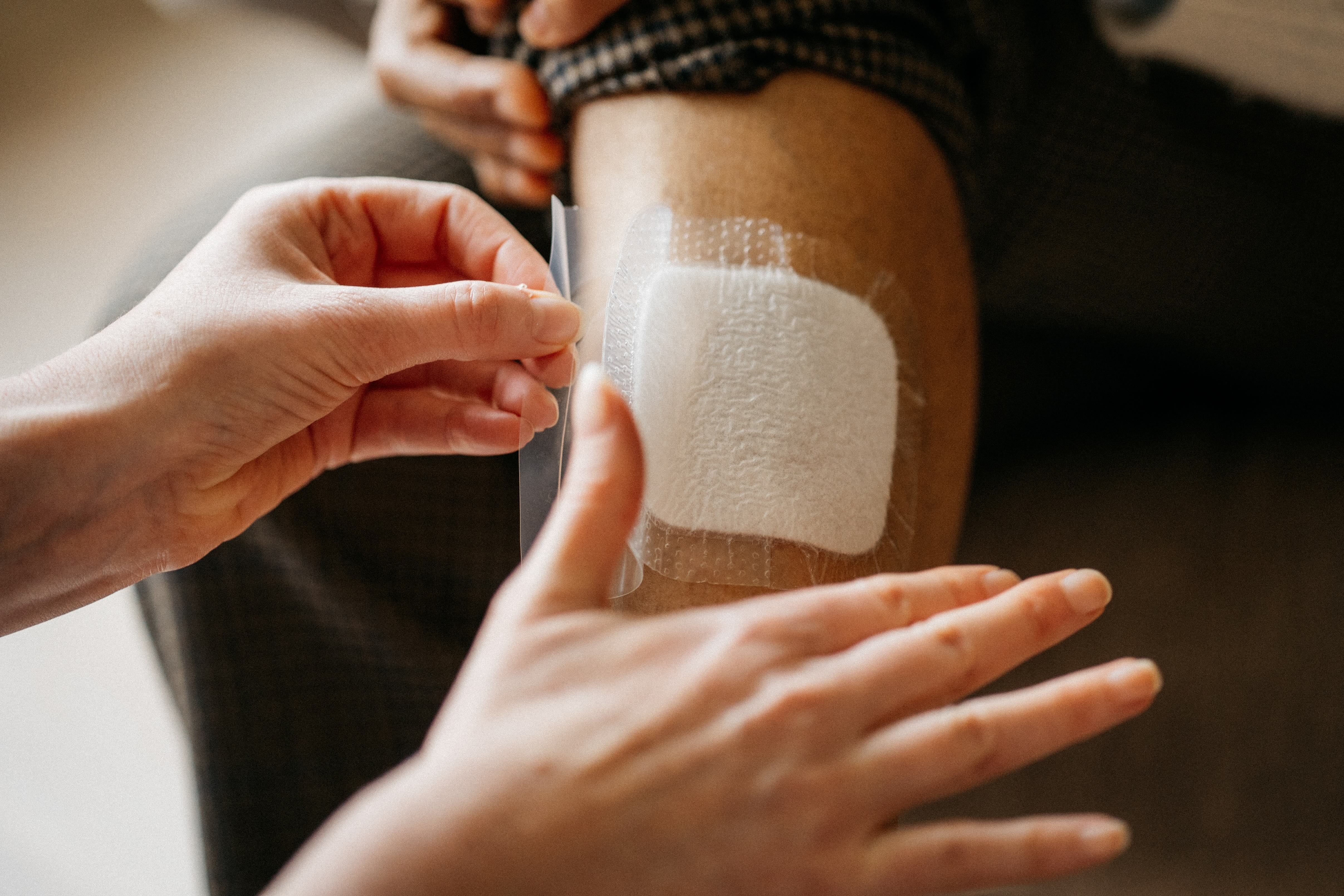
Protective Skin combines three key features to support wound management:
The silicone adhesive is designed to allow the dressing to adhere to the skin while supporting gentle removal. This is particularly relevant when protecting fragile or sensitive skin.
The dressing contains a superabsorbent layer that absorbs wound fluid. It can absorb up to 15 times its own dry weight under the specified test conditions, helping manage exudate and maintain an appropriate wound environment.
Protective Skin is intended for dry to moderately exuding wounds, in accordance with its instructions for use.
At approximately 2 mm thick, Protective Skin is designed to adapt to the body's contours. Its protective outer film acts as a barrier against external moisture when used according to the product instructions.
Together, these features provide a dressing designed to combine gentle adhesion, fluid absorption and practical protection.
As with any wound dressing, suitability depends on the individual's skin condition, wound characteristics and clinical needs.
Since 1 January 2022, Erland Care Protective Skin has been approved for reimbursement through Helfo for people living with EB in Norway.
This approval helps make the dressing accessible to eligible individuals who need suitable products for wound management.
Reimbursement is subject to applicable eligibility criteria and conditions. Patients, families and healthcare professionals should consult Helfo or their healthcare provider for current information about coverage and access.
At Erland Care, we believe that improving wound care requires more than developing products. It also means listening to the people who live with the challenges of fragile skin.
We are proud to be a partner of DEBRA and to support its work for people affected by epidermolysis bullosa.
DEBRA organisations work to support individuals and families, raise awareness of EB and advance research into treatments. Their work highlights the importance of understanding the everyday realities of living with this condition.
Our commitment is to contribute to wound care solutions that consider the needs of people with fragile skin.
Learn more about EB and the work of DEBRA.
Protective Skin is a silicone dressing designed for wound management. It has been approved for reimbursement through Helfo for people living with EB in Norway. Whether it is suitable for an individual depends on their wound and skin condition and should be assessed by a healthcare professional.
Silicone adhesives are designed to provide adhesion while allowing gentler removal than many conventional adhesives. This can be an important consideration for people with fragile skin who require regular dressing changes.
Yes. Protective Skin was approved for reimbursement through Helfo for people living with EB in Norway from 1 January 2022. Current eligibility requirements and reimbursement conditions should be confirmed with Helfo.
DEBRA provides information and support for people living with EB, their families and healthcare professionals.
Discover the features and intended uses of Erland Care Protective Skin.