Menu


Choosing the right wound dressing can significantly impact healing, comfort, and skin health. While traditional dressings such as gauze and hydrocolloid dressings have been widely used for decades, silicone dressings have become increasingly popular due to their gentle adhesion and skin-friendly properties.
If you’re comparing silicone dressings vs traditional dressings, the main difference lies in how they interact with the skin. Silicone dressings are designed to protect wounds while minimizing trauma during removal, making them particularly beneficial for people with fragile or sensitive skin.
In this article, we’ll compare silicone dressings and traditional dressings, explore their benefits and limitations, and help you determine which option may be best for your needs.
Short answer: A silicone dressing is a wound dressing that uses a soft silicone adhesive to gently adhere to the skin while protecting the wound.
Unlike many traditional adhesives, silicone dressings are designed to lift away from the skin with minimal trauma. This makes them especially useful for people who require frequent dressing changes or have delicate skin.
Silicone dressings are commonly used for:
Many silicone dressings are also highly flexible and can conform to body contours while remaining comfortable during movement.
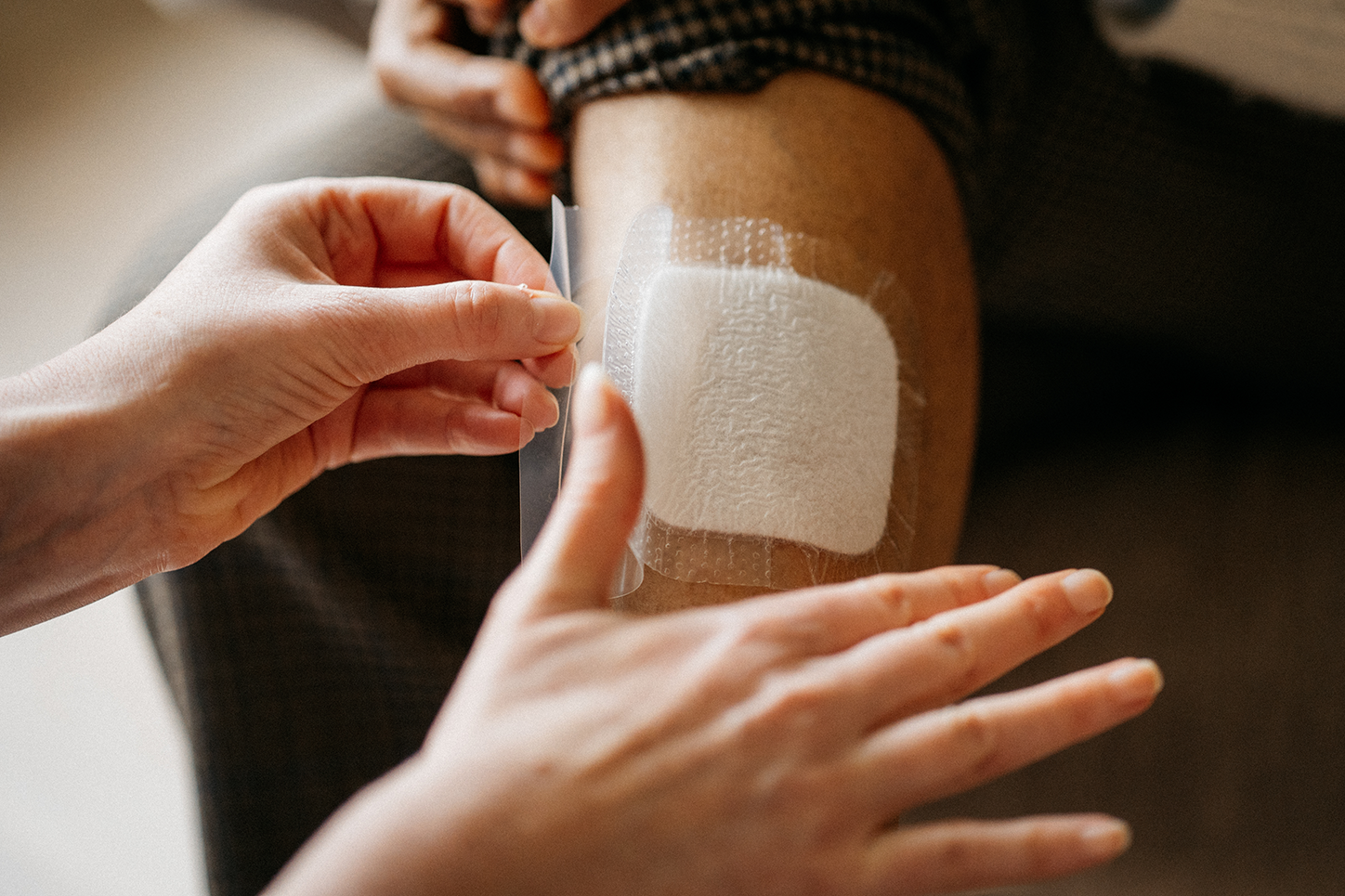
Traditional dressings include several types of wound care products, including:
Gauze is one of the oldest and most widely used wound dressing materials.
Benefits include:
However, gauze can stick to the wound bed as it dries, potentially causing pain and tissue damage during removal.
Hydrocolloid dressings contain adhesive materials that absorb moisture and create a moist wound-healing environment.
Benefits include:
However, repeated removal may cause irritation for some individuals, particularly those with fragile skin.
One of the biggest differences is how the dressing adheres to the skin.
Traditional adhesives are often designed to stick firmly to the skin to maximize security. While effective, they can sometimes remove superficial skin cells during dressing changes.
Silicone adhesives work differently. They create gentle contact with the skin while allowing the dressing to be removed with less trauma.
This is particularly important for:
Traditional dressings may cause discomfort when removed, especially if the dressing has adhered to the wound or surrounding skin.
Silicone dressings are widely recognized for improving patient comfort because they are designed to minimize pain during removal.
Unlike some traditional adhesive dressings, silicone dressings are designed to adhere gently to the skin surface, reducing the risk of epidermal stripping and skin injury during dressing changes.
Repeated dressing changes can place stress on healthy skin.
Silicone dressings help protect the skin by reducing:
This makes them particularly suitable for long-term wound management.
Modern silicone dressings are often thin, flexible, and elastic.
They can conform to:
This flexibility may improve comfort during everyday activities.
Silicone dressings offer several advantages compared with traditional alternatives. Research has shown that soft silicone dressings can help minimize pain and trauma during dressing removal compared with traditional adhesive dressings, making them particularly suitable for patients with fragile or sensitive skin.
Soft silicone technology is specifically designed to protect vulnerable skin.
For patients with delicate skin, reducing trauma during dressing changes can be just as important as treating the wound itself.
Research has shown that soft silicone dressings can help minimize pain and trauma during dressing removal compared with traditional adhesive dressings, making them particularly suitable for patients with fragile or sensitive skin.
Repeated removal of traditional adhesives can contribute to skin stripping and irritation.
Silicone dressings help reduce this risk by creating a gentler interface between the dressing and the skin.
Many silicone dressings can remain in place for several days depending on wound condition and clinical recommendations.
Fewer dressing changes may improve comfort and reduce disruption to the healing process.
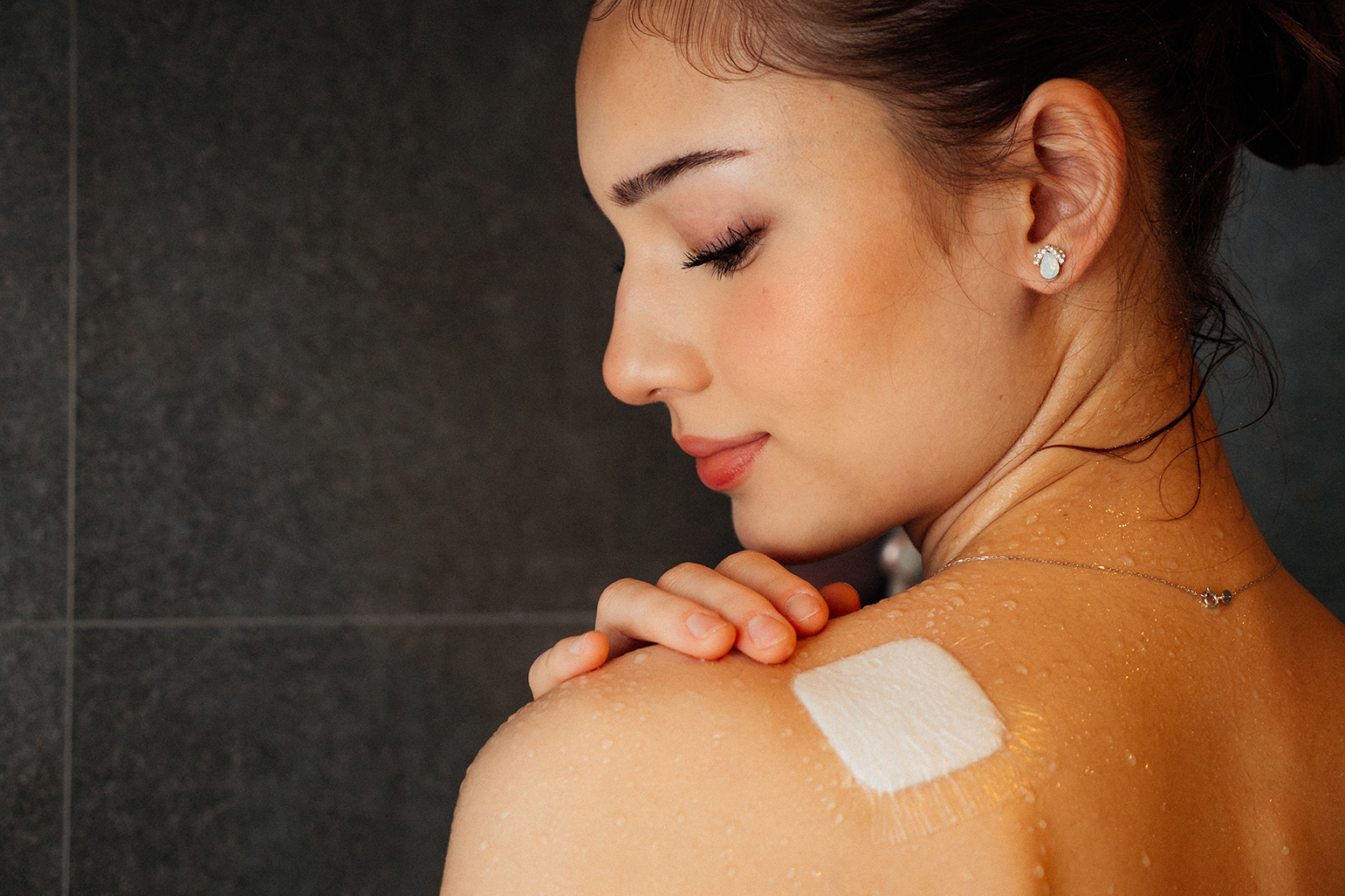
Many modern silicone dressings remain secure during showering and daily activities, allowing patients greater flexibility in their routine.
Short answer: In many cases, silicone dressings are considered one of the best options for fragile or sensitive skin because they are designed to minimize adhesive-related trauma.
Fragile skin is common among:
For these individuals, protecting the surrounding skin is often a major treatment goal.
Silicone dressings provide protection while helping reduce discomfort and skin damage associated with frequent dressing changes.
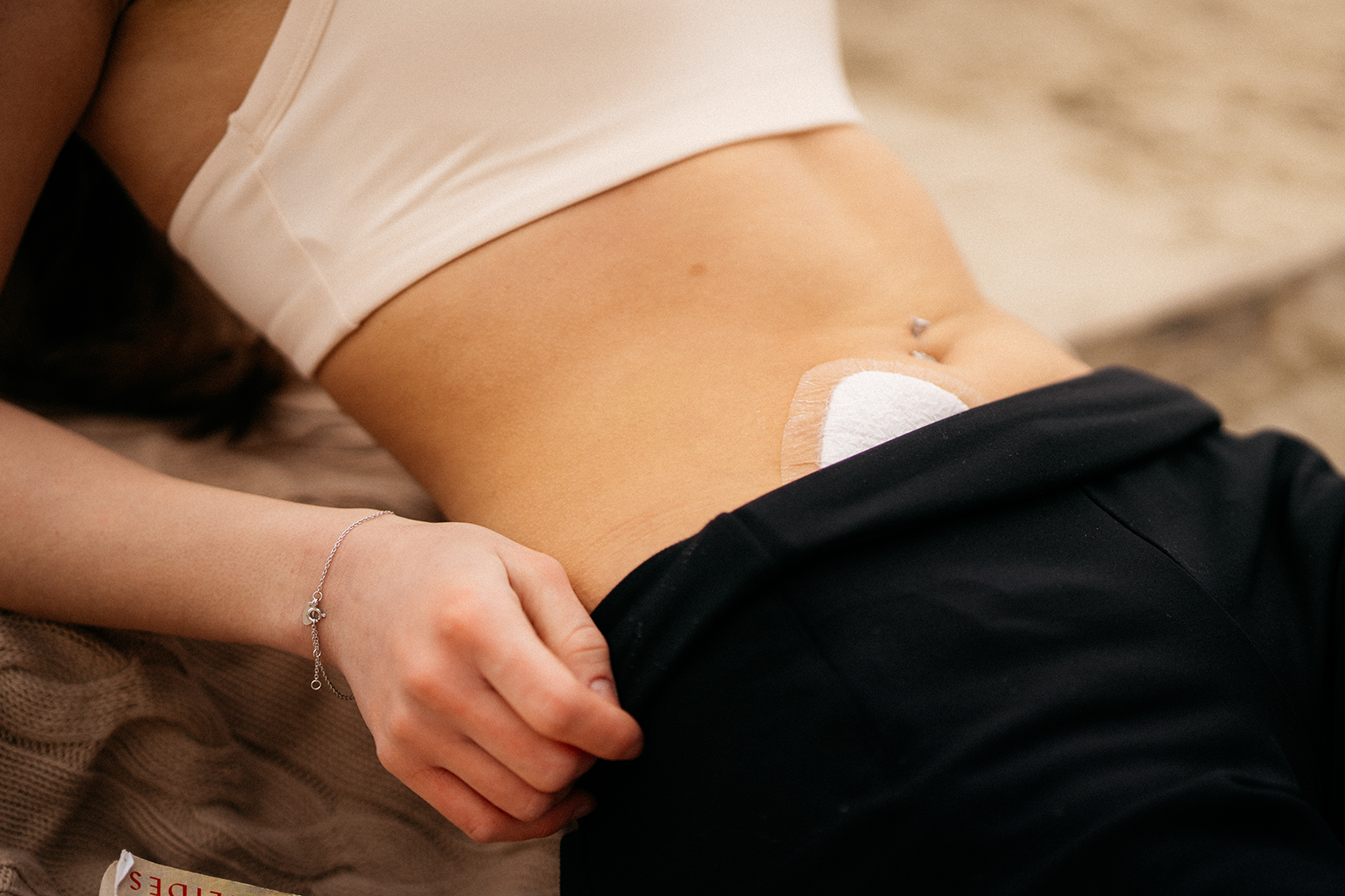
People living with a stoma often experience irritation caused by leakage, friction, and repeated wafer changes.
Using a silicone dressing beneath an ostomy wafer can help protect the skin from direct contact with hydrocolloid adhesives.
Products such as Protective Skin are specifically designed to act as a protective layer between the skin and the wafer.
Benefits may include:
Protecting the skin around a stoma is essential, as peristomal skin complications can negatively affect quality of life, appliance wear time, and overall ostomy management.
Click here to learn how Protective Skin can protect peristomal skin.
Silicone dressings and gauze serve different purposes, but silicone dressings generally offer greater comfort and skin protection, especially for fragile skin.
Silicone dressings are specifically designed to reduce pain and trauma during removal compared with many traditional adhesive dressings.
Yes. One of the primary benefits of silicone dressings is their ability to protect sensitive and fragile skin from adhesive-related injury.
Certain silicone dressings are suitable for peristomal use and may help reduce irritation caused by appliance adhesives and repeated wafer changes.
When comparing silicone dressings vs traditional dressings, the biggest differences are comfort, skin protection, and adhesive performance. While traditional dressings such as gauze and hydrocolloids remain valuable in wound care, silicone dressings offer significant advantages for people with sensitive, fragile, or easily damaged skin.
By minimizing adhesive trauma and improving comfort during dressing changes, silicone dressings can help support both wound management and skin health.
If you are caring for fragile skin, managing a chronic wound, or protecting peristomal skin, a silicone-based solution such as Protective Skin may be worth considering as part of your care routine.