Menu

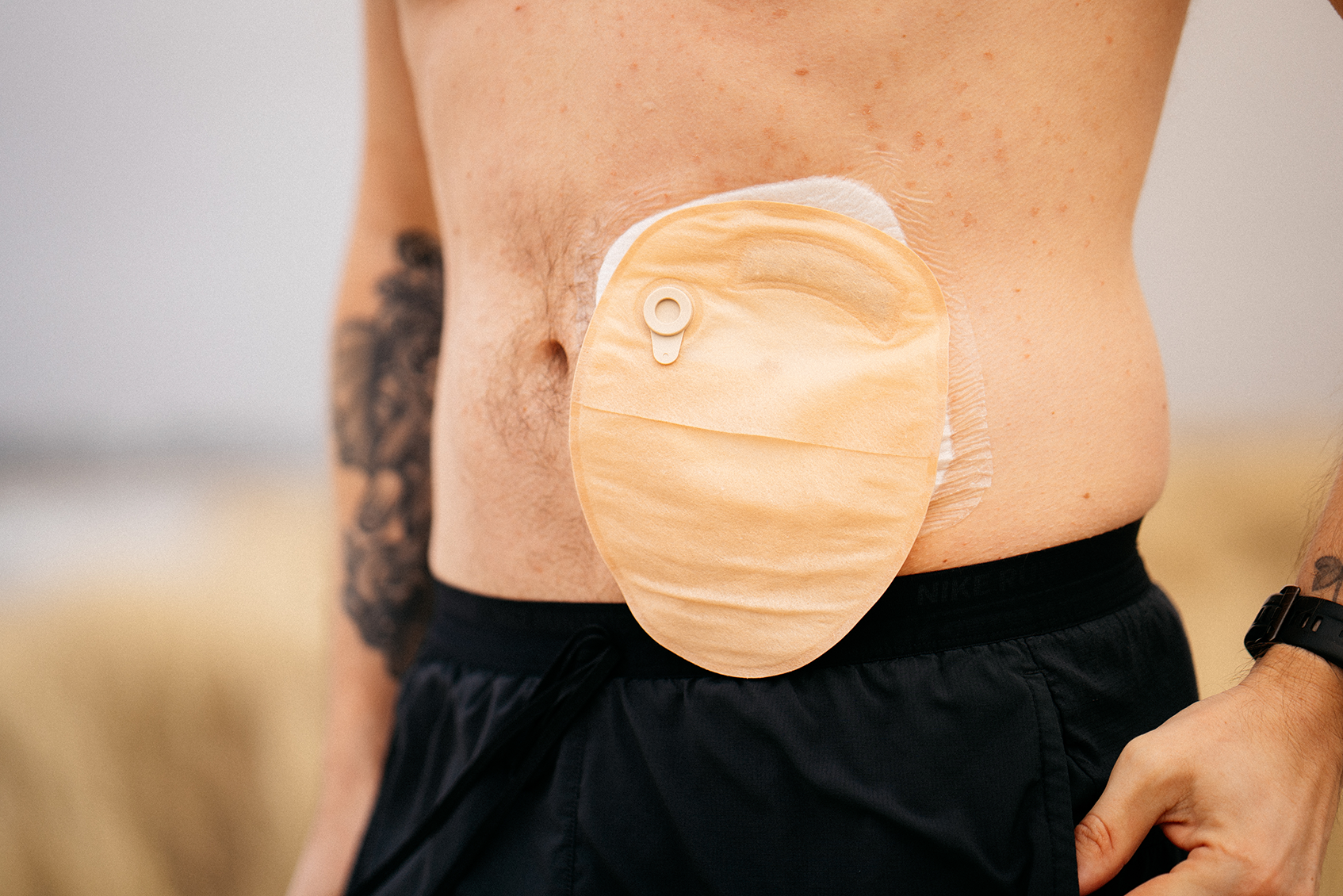
Living with a stoma can be life-changing, but one challenge many people face is keeping the skin around the stoma healthy. Peristomal skin damage is one of the most common complications experienced by ostomy users and can affect comfort, confidence, and appliance performance.
The good news is that most skin problems around a stoma can be prevented. If you’re wondering how to protect skin around a stoma, the key is maintaining healthy skin, preventing leakage, minimizing trauma from adhesives, and using protective products designed for sensitive skin.
In this guide, you’ll learn what causes peristomal skin damage, how to prevent it, how to treat irritated skin, and how to use Protective Skin as part of your ostomy care routine.
Short answer: Peristomal skin damage refers to irritation, redness, inflammation, or breakdown of the skin surrounding a stoma.
Healthy peristomal skin should look similar to the skin on the rest of your abdomen. If the skin becomes red, sore, weepy, itchy, or painful, it may indicate skin damage.
Common signs include:
Peristomal skin damage can quickly become a cycle: damaged skin causes poor adhesion, which leads to leakage, which further damages the skin.
Several factors can contribute to peristomal skin complications.
Stoma output contains digestive enzymes that can be highly irritating to the skin. Even small leaks beneath the wafer can cause significant irritation over time.
The longer the skin is exposed to output, the greater the risk of skin breakdown.
Many ostomy appliances use hydrocolloid adhesives that stick firmly to the skin. While effective, repeated removal may strip away the outer layer of skin.
This can be particularly challenging for:
Regular appliance changes, rubbing from clothing, and movement throughout the day can contribute to skin irritation.
Some people experience sensitivity to certain adhesives, tapes, or skin care products.
Preventing skin damage is usually easier than treating it.
A correctly fitted wafer helps prevent output from reaching the skin.
Tips include:
Before applying your appliance:
Moisture can reduce adhesion and increase the risk of leakage.
One often-overlooked cause of skin damage is repeated exposure to hydrocolloid adhesives.
Using a silicone-based protective layer between the skin and the wafer can help reduce trauma during appliance changes.
Unlike traditional hydrocolloid adhesives, silicone adhesives are designed to be gentle on sensitive and fragile skin while still providing secure fixation.
Protective Skin is a thin, highly elastic silicone dressing that can be placed directly on the skin before applying the ostomy wafer.
It acts as a protective interface between the skin and the hydrocolloid adhesive, helping reduce irritation caused by repeated wafer changes.
Benefits include:
For many users, Protective Skin becomes part of their preventive skin care routine rather than something they only use after damage has occurred.

Protective Skin is not only useful for prevention. It may also help when skin irritation has already developed.
When the skin becomes sore, traditional adhesives may worsen discomfort during removal.
Because silicone adhesives adhere gently to the skin, Protective Skin can help provide a protective barrier while allowing damaged skin an opportunity to recover.
Many users find that applying Protective Skin beneath their wafer helps:
If skin damage is severe or worsening, consult an ostomy nurse or healthcare professional.
Protective Skin is designed to sit underneath your wafer, creating a gentle silicone interface between your skin and the hydrocolloid adhesive.
Choose a wafer that is already cut or fitted to your stoma size.
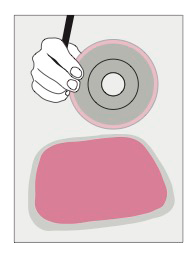
Lay the wafer on top of the Protective Skin dressing.
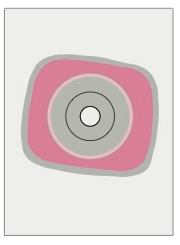
Using a pen, trace the stoma opening onto the Protective Skin dressing.
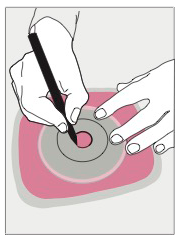
Lift the wafer away while keeping your marked outline visible.
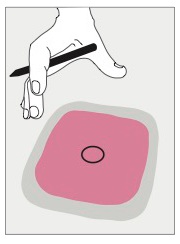
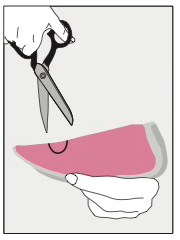
Fold the dressing gently and cut along the marked line using scissors.
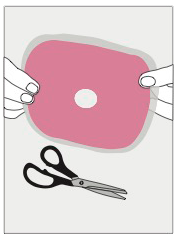
Take care to create a smooth opening that matches your stoma size.
Place Protective Skin directly onto clean, dry skin.
Then apply your ostomy wafer on top of the dressing as usual.
The result is a protective silicone layer between your skin and the wafer adhesive.
Contact your ostomy nurse or healthcare provider if you experience:
Early intervention can prevent minor irritation from becoming a more serious problem.
Maintaining a proper wafer fit, preventing leakage, and using skin-friendly protective products are among the most effective strategies.
Yes. Silicone dressings designed for peristomal use can help protect sensitive skin and reduce adhesive-related trauma.
The most common causes are leakage, adhesive trauma, friction, and skin sensitivity.
Protective Skin may help protect irritated skin from further trauma while providing a gentle interface beneath the wafer.
Healthy peristomal skin plays a critical role in comfort, confidence, and appliance performance. Most skin problems around a stoma are caused by leakage, friction, or repeated adhesive trauma, but many can be prevented with the right approach.
Using a silicone-based protective layer such as Protective Skin beneath the wafer can help protect sensitive skin from hydrocolloid adhesives, reduce irritation, and support healthier skin over time.
If you’re experiencing recurring skin issues, consider speaking with your ostomy nurse and exploring preventative skin protection solutions before minor irritation develops into more significant skin damage.