Menu

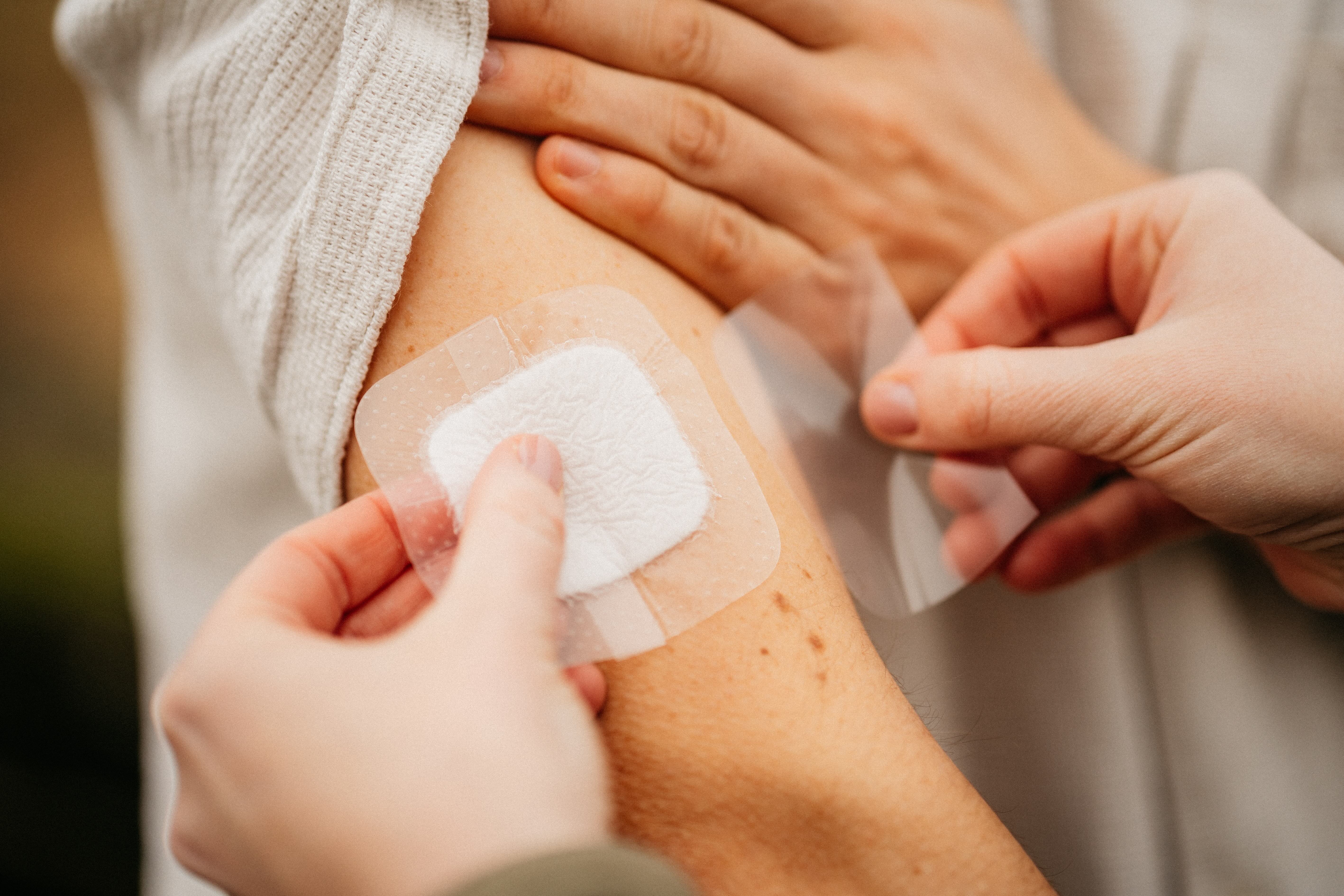
Following a wound care consultation, a change in dressing helped simplify treatment, reduce dressing changes and support wound healing.
For people living with wounds, the right dressing can make a meaningful difference to everyday life. It can influence not only wound healing, but also comfort, skin health and the practicalities of daily wound care.
In this user story, a patient receiving care through Mikkelin Haavapalvelu Ag in Finland experienced several benefits after their wound treatment was changed to Protective Skin.
Following a wound care consultation, the treatment was changed from medical honey and a hydrocolloid dressing to Protective Skin, a thin silicone dressing with a transparent border.
The dressing was also used to care for a scar in a cosmetically sensitive area of the skin, making gentle skin contact particularly important.
The change brought several practical benefits to the patient's wound care routine.
Fewer dressing changes: The intervals between dressing changes could be extended compared with the previous treatment, making wound care easier to manage.
Progress towards wound healing: The wound began to become more superficial shortly after the treatment change.
Secure adhesion: The dressing stayed firmly in place, providing reliable coverage.
Suitable for everyday activities: The dressing tolerated contact with water, making daily activities easier for the patient.
Gentle on the skin: The dressing caused no irritation to the wound or surrounding skin. This was particularly relevant because the patient had previously experienced skin irritation from adhesives used in other dressings.

Wound care is about more than the wound itself. Dressing changes, skin sensitivity and practical limitations can all affect a patient's daily life.
In this case, Protective Skin helped simplify the treatment routine while providing secure adhesion and gentle contact with the skin. The ability to extend the intervals between dressing changes also made care less demanding.
These observations highlight the importance of choosing a dressing that meets the needs of both the wound and the person receiving care.
Thank you to the patient and Mikkelin Haavapalvelu Ag for sharing this experience and granting permission to publish the photographs.
Individual results may vary. This user story describes one patient's experience and does not guarantee the same outcomes for other patients.